 Blood transfusions should be the exception… not the norm.
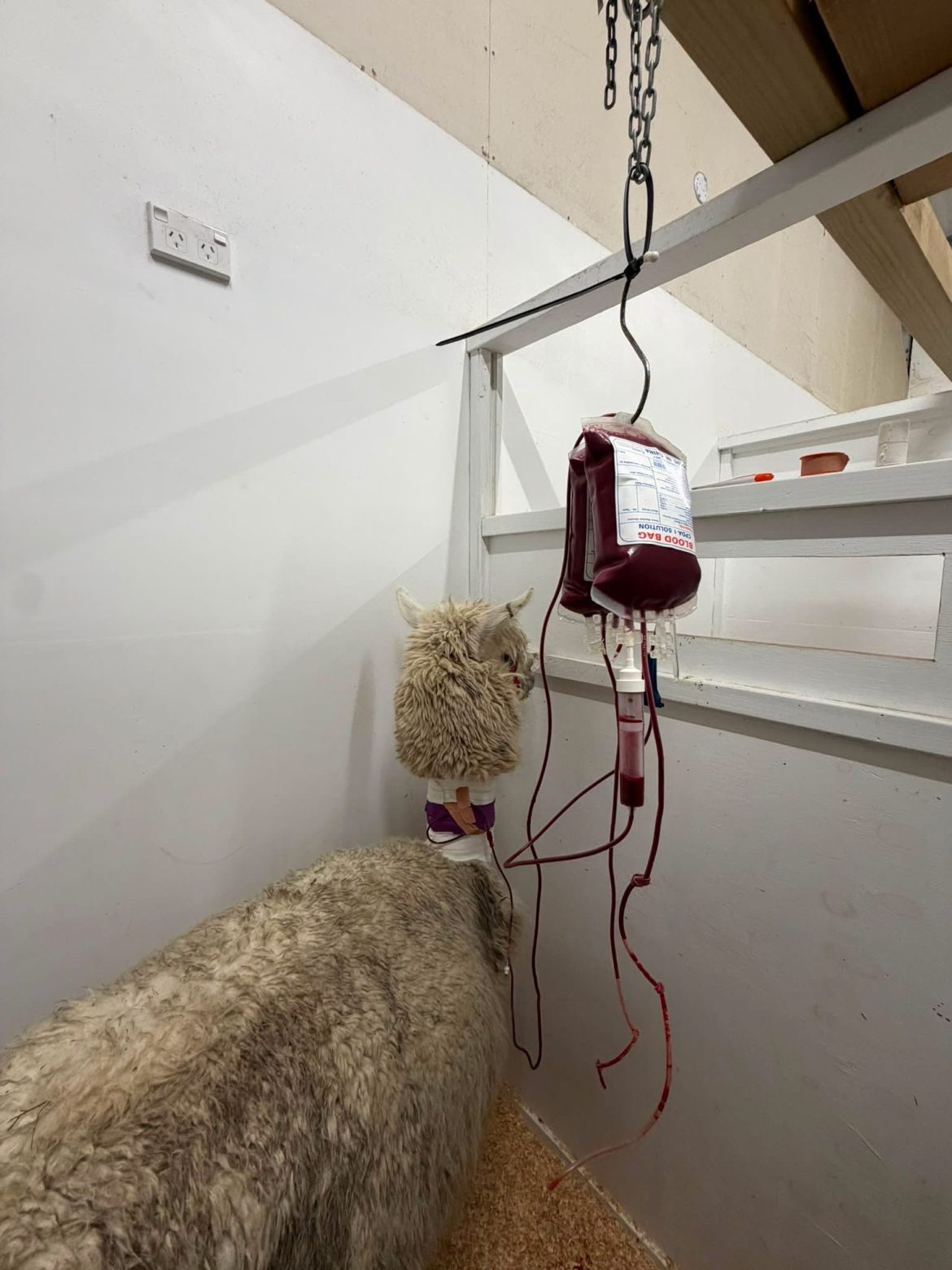
Every year, The Lifestyle Vet team goes through countless blood collection bags, ordering them in from our medical suppliers so we can collect life-saving blood from healthy donor alpacas and administer it to patients suffering from severe blood loss caused by parasites.
On average, our team performs 15–20 blood transfusions every year.
What’s particularly interesting is that we almost never have to perform blood transfusions on alpacas enrolled in our annual Preventative Healthcare Plans.
Why?
Because prevention works.
Rather than waiting until animals become sick, we monitor parasite burdens throughout the year using regular faecal egg count testing, allowing us to identify parasite build-up before animals become clinically affected. We then use high-quality, veterinary-approved drenches at the appropriate times of year, targeting dangerous parasites such as Barber’s pole worm (Haemonchus contortus).
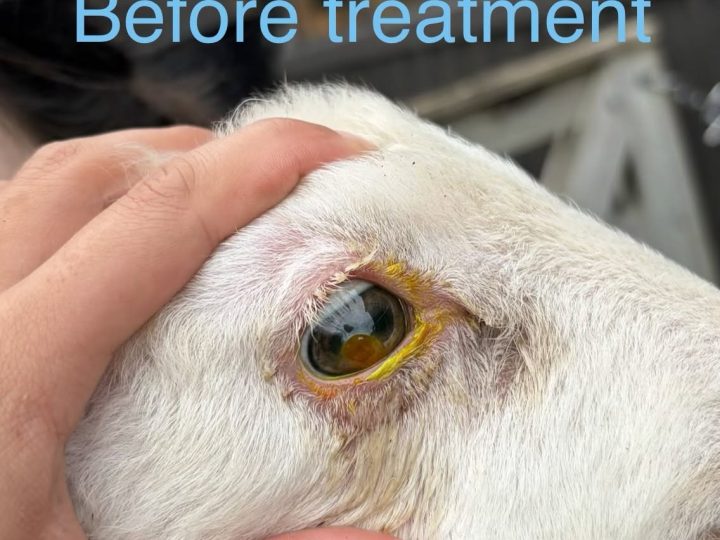
Barber’s pole worm is one of the most devastating parasites affecting alpacas. It attaches to the lining of the third stomach compartment (C3) and feeds directly on blood. As worm burdens increase, affected alpacas can lose large volumes of blood, becoming profoundly anaemic over a surprisingly short period of time.
- Often the first signs owners notice are subtle.
- An alpaca that is a little quieter than usual.
- A reluctance to move.
- Perhaps lying down more often.
- A slight wobble when walking.
By the time these signs appear, many animals have already lost a significant proportion of their circulating red blood cells and require emergency veterinary treatment—sometimes including a blood transfusion—to survive.
The heartbreaking part?
This disease is largely preventable.
With regular monitoring, strategic parasite control and the use of appropriate veterinary-approved drenches, we can usually prevent animals from ever reaching this stage.
For many years, Barber’s pole worm was considered primarily a summer parasite, with the highest risk occurring between November and February.
However, we’re seeing that change.
As our climate becomes warmer and wetter, particularly here in Auckland, Barber’s pole worm is surviving and reproducing for much longer periods of the year. We are now diagnosing severe Haemonchus infections well into autumn and winter, meaning parasite control can no longer be thought of as just a summer concern.
The two alpacas pictured are perfect examples.
 One required a blood transfusion just three weeks ago—in the middle of winter. The other required a blood transfusion at the end of April.
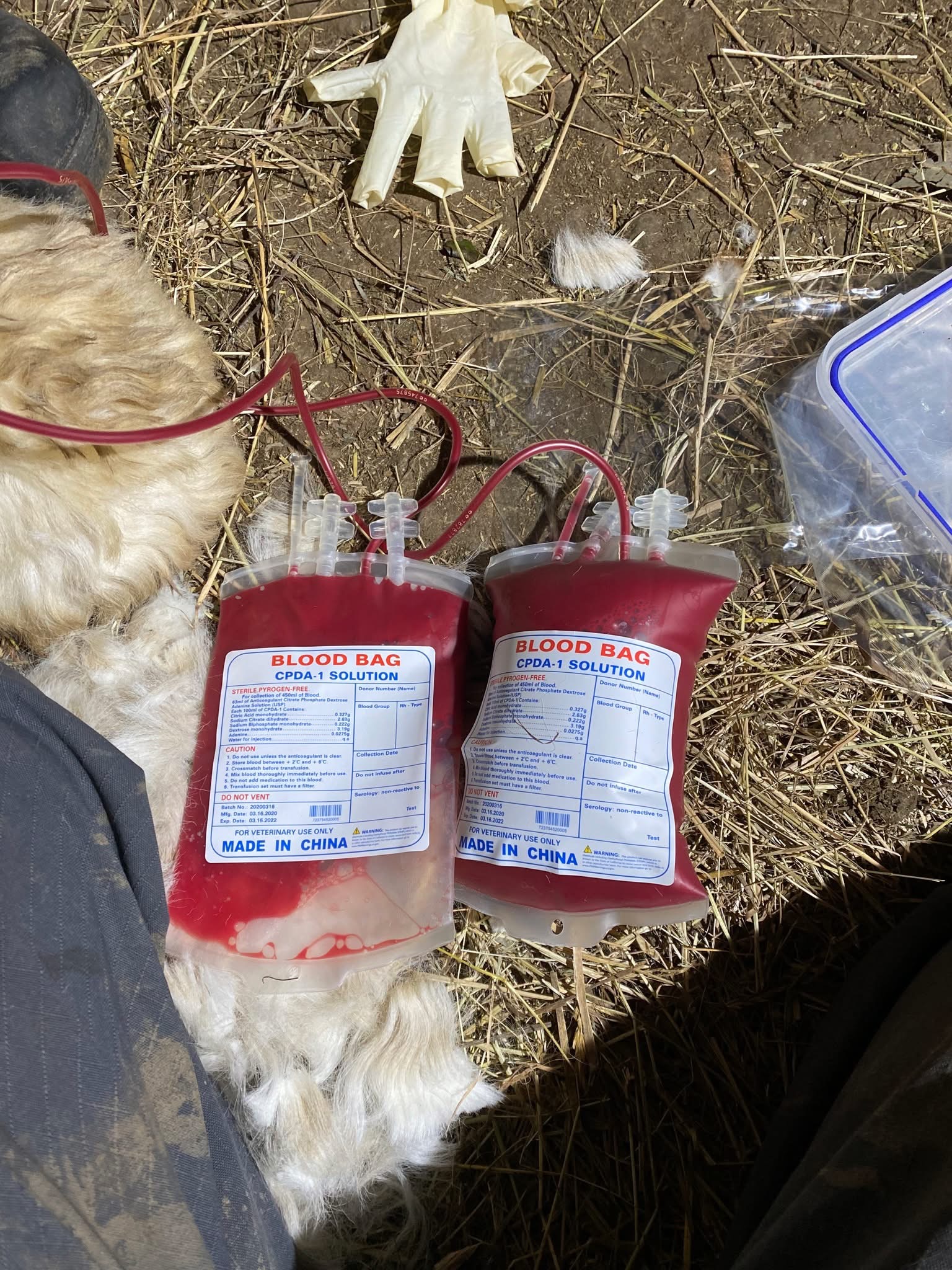
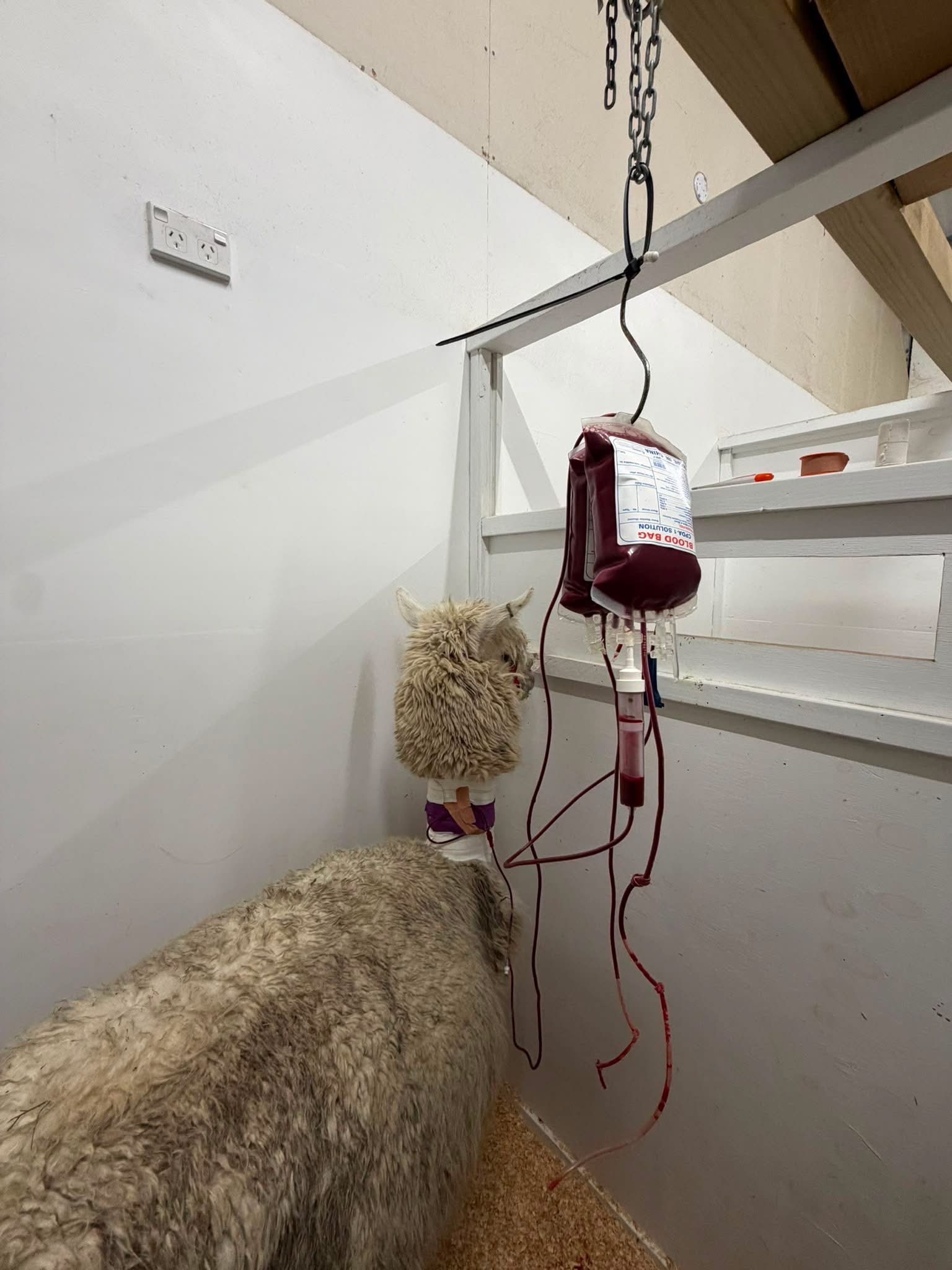
Sadly, these are just two of many blood transfusions our team performs each year.
Our goal isn’t simply to save these animals when they become critically ill.
Our goal is to prevent them from ever needing a blood transfusion in the first place.
If you’re unsure whether your alpacas are adequately protected against Barber’s pole worm, we’d be happy to help. A customised preventative healthcare plan, incorporating regular faecal egg counts, strategic drenching and seasonal health checks, can make all the difference.
Because prevention will always be kinder, safer and less expensive than emergency treatment.
 027 838 5433
 info@thelifestylevet.co.nz
The Lifestyle Vet – Passionate about preventative healthcare and keeping New Zealand’s alpacas healthy, one herd at a time
Categories:The Lifestyle Blog
0 Likes