
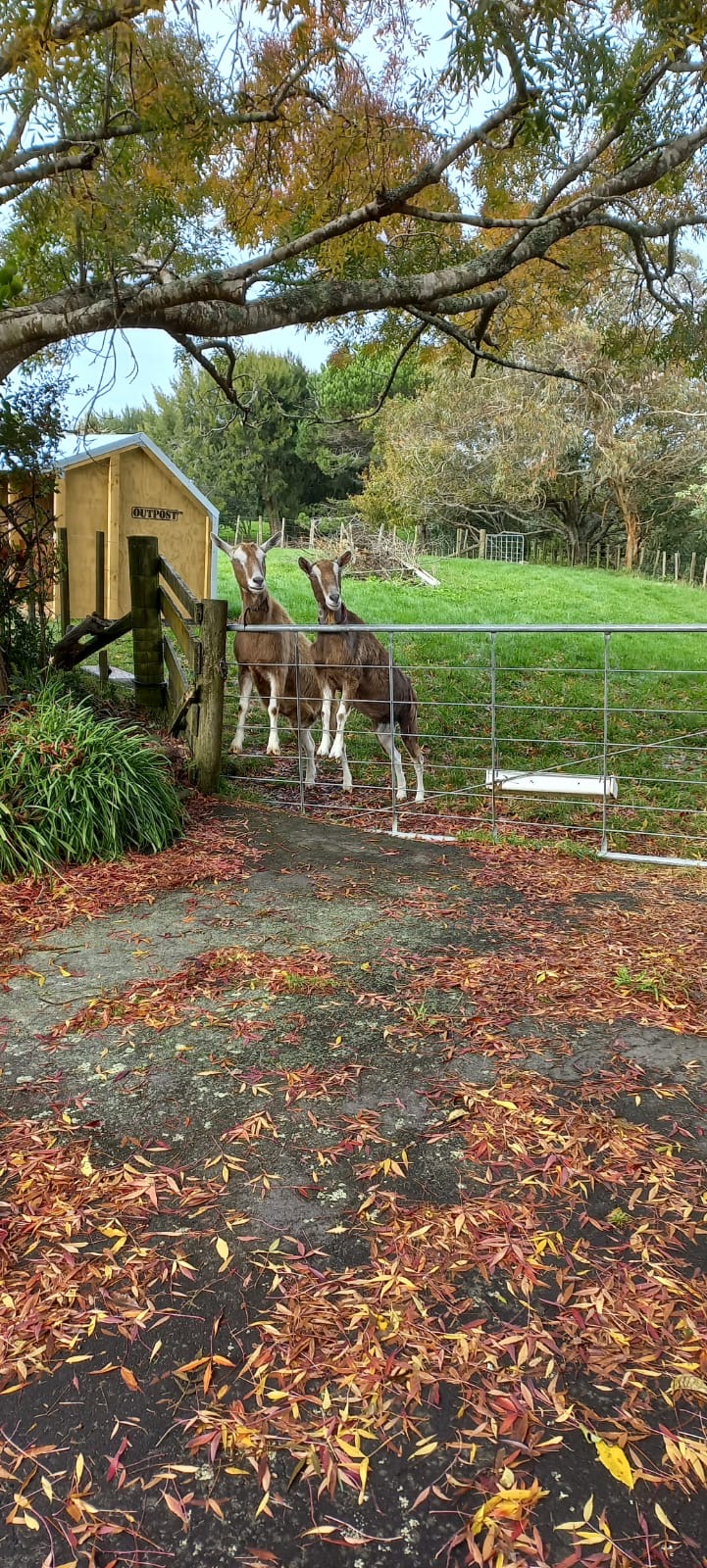
Meet Smarty — one of the sickest goats we’ve ever treated at The Lifestyle Vet 

Smarty was referred to us by another veterinary practice in Auckland, and we’re incredibly grateful to them for entrusting us with her care and stabilizing her before r eferral.
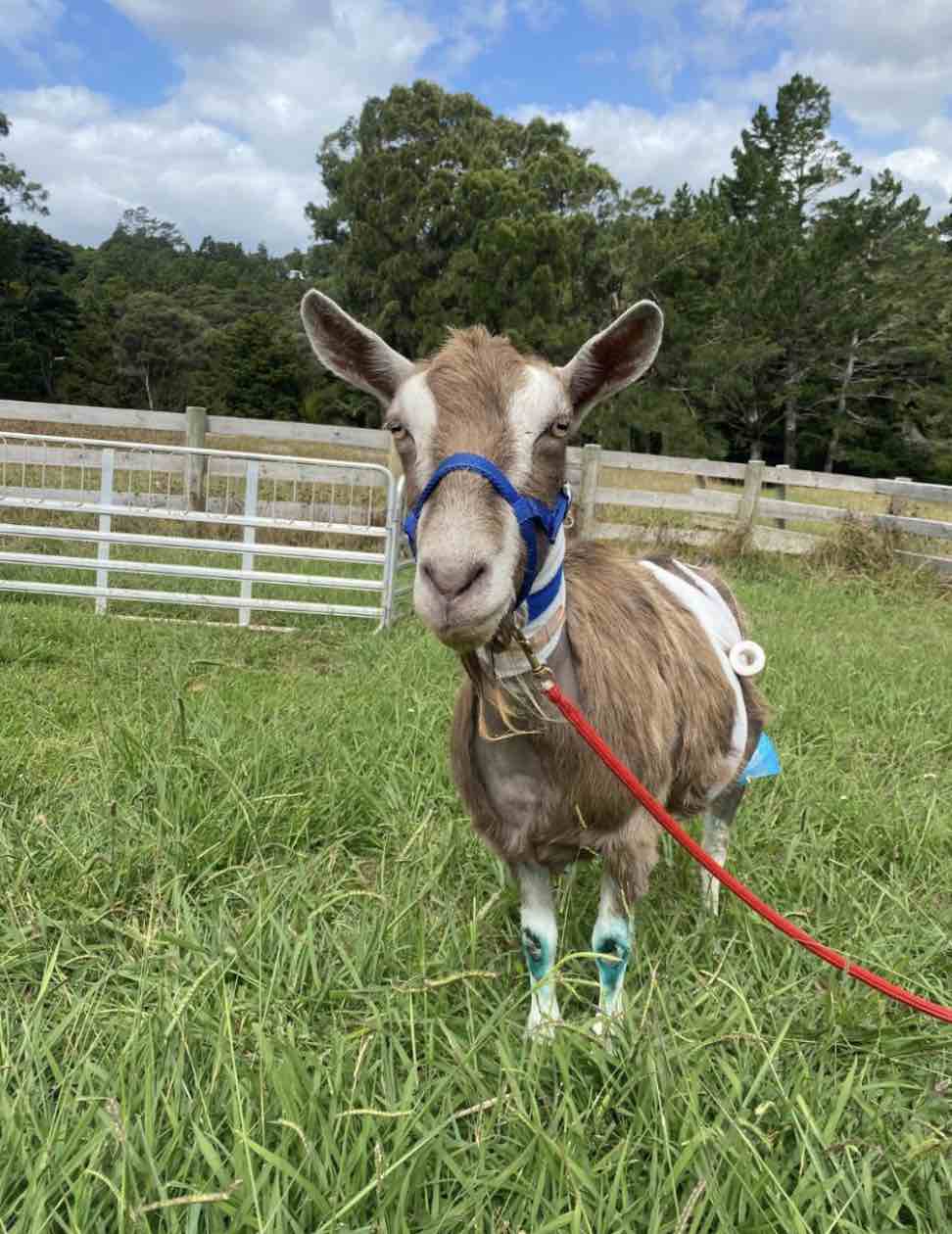
When this 5-year-old Toggenburg doe arrived at our clinic, she was critically ill. Smarty was:
 Collapsed Severely dehydrated Unable to properly use her rumen (her stomach had essentially stopped working) Painful on all four feet from severe inflammation Fighting a life-threatening udder infection that had spread throughout her body
Her heart rate was a dangerously high 160 beats per minute, her temperature was abnormally low at 36.8°C, and in house blood testing showed signs of severe infection, shock, and poor circulation.
Her udder tissue was turning purple-black and dying due to the infection 
We diagnosed her with peracute necrotising mastitis, sepsis, polioencephalomalacia with ruminal atony and acute laminitis.
Our team immediately started:
 Intensive IV fluid therapy
 Strong IV antibiotics
 Advanced pain relief
 Electrolyte correction
 Treatment for neurological complications Constant monitoring day and night
Smarty was incredibly painful, so we had to carefully build a custom pain management plan using multiple medications together just to keep her comfortable. Then things got even more complicated…
Despite 24 hours of intensive treatment, Smarty remained critically unwell.
Her blood lactate levels — which help us monitor shock and tissue damage — kept fluctuating dangerously, and the infection in her udder continued destroying surrounding tissue. At this point, we knew surgery to remove the infected udder tissue, was her only chance.
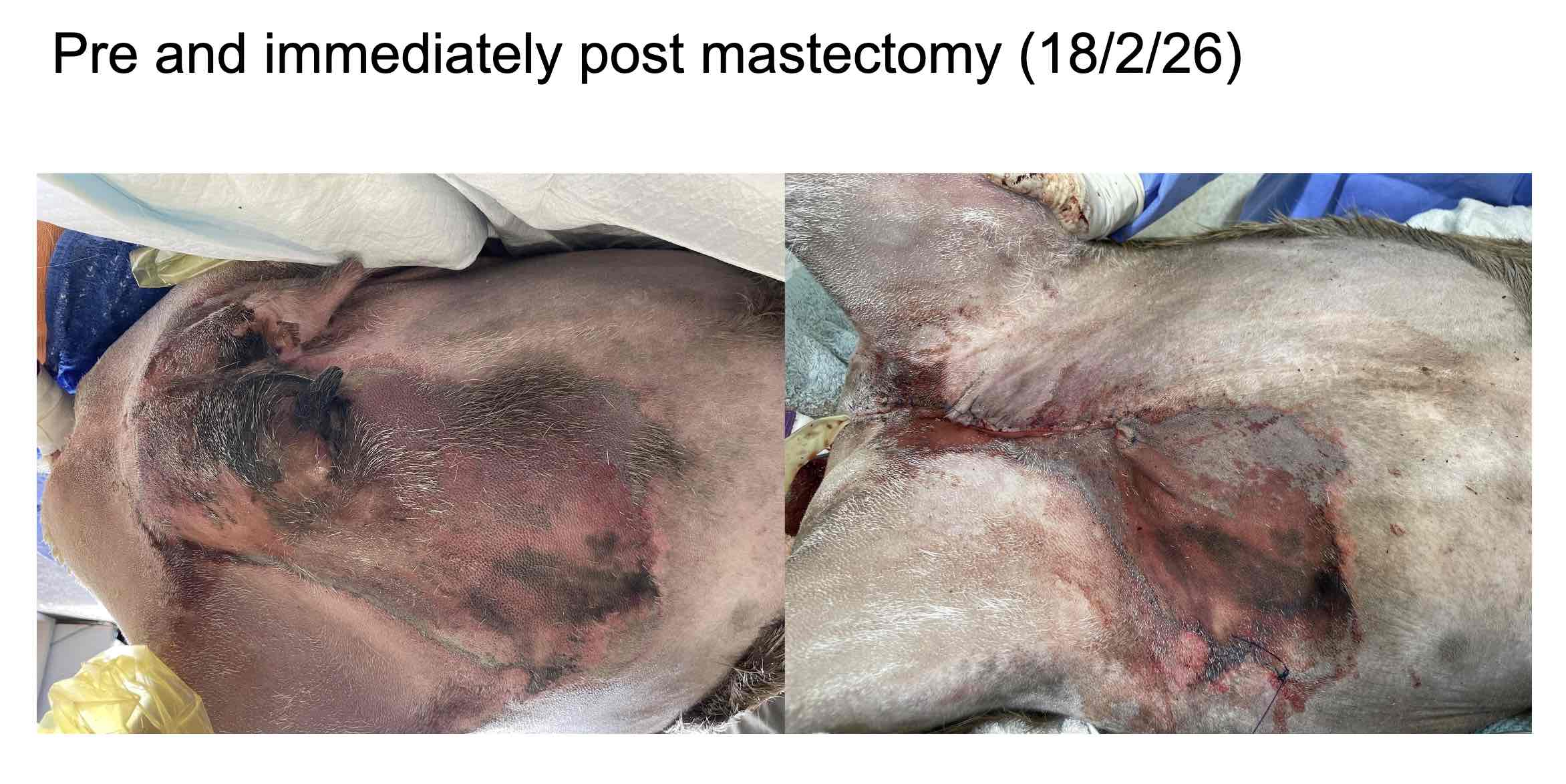
Smarty underwent a radical mastectomy surgery to remove the severely infected mammary tissue. Laura and Chantelle carried out her complicated anaesthesia while Mandy and Christa Bodan (from Veterinary Associates) carried out her mastectomy surgery. The surgery was extremely difficult because so much skin and tissue had already died from the infection.
To help her survive anesthesia and the surgery, our team had to think creatively every step of the way to tailor her treatment plan:
Continuous IV fluids Powerful antibiotics Lidocaine constant rate infusions to help restart her rumen Plasma transfusions when her protein levels crashed post-operatively- a sheep plasma xenotransfusion was carried out because goat plasma wasn’t available in time.
After surgery, a special balloon catheter drain was placed to help remove fluid and reduce complications from the massive empty space (dead space) subcutaneously left behind after tissue removal. Smarty started showing significant signs of improvement approximately 48 hours after her mastectomy and plasma transfusion had been carried out. She started eating grass, drinking on her own, wanted to engage in slow gentle walking around the hospital paddock area and looked a little more “alive”.
One month after surgery, Smarty faced another huge hurdle.
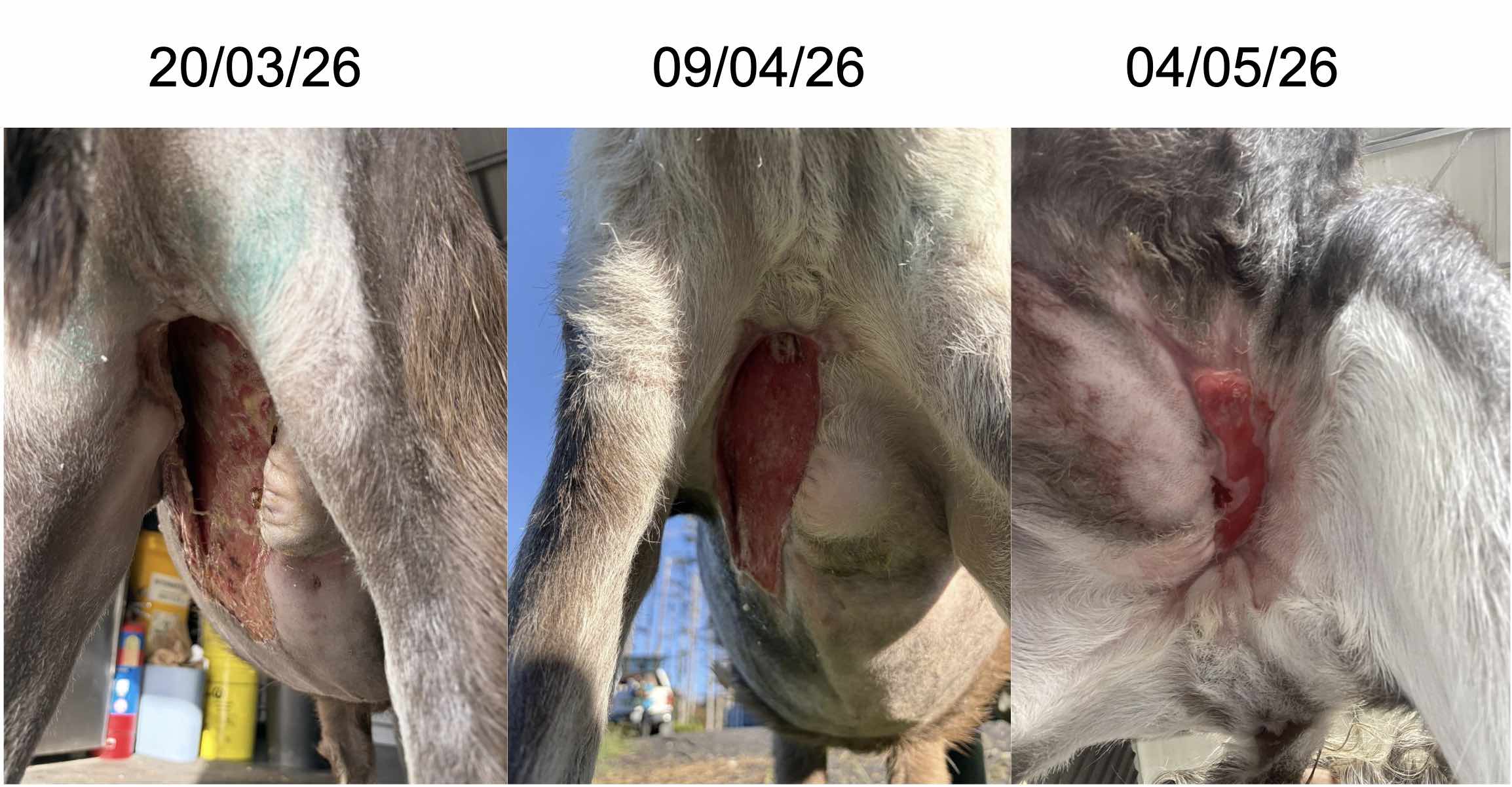
Despite drains, wound care, and intensive treatment, large pockets of fibrinous adhesions and fluid (seroma) formed beneath the surgical site. She needed a SECOND procedure to remove dead tissue and manually break down painful fibrous adhesions. The result was a massive open wound that had to heal slowly from the inside out over many weeks.
For nearly THREE MONTHS, Smarty remained in hospital receiving:
Long-term IV antibiotics Advanced wound care
 Active mānuka honey dressings Solosite and Intrasite wound management Assisted exercise and rehabilitation Constant monitoring and nursing care
Some days were incredibly challenging. At one stage, even her intramuscular antibiotic injections caused painful tissue reactions, meaning we had to go back to prolonged IV treatments and repeatedly replace her catheters to keep her comfortable and safe.
But slowly… Smarty turned the corner 
Her wound gradually filled with healthy tissue, her appetite returned, her bloodwork stabilized, and eventually she was strong enough to finally go home to her very relieved and overjoyed owner 
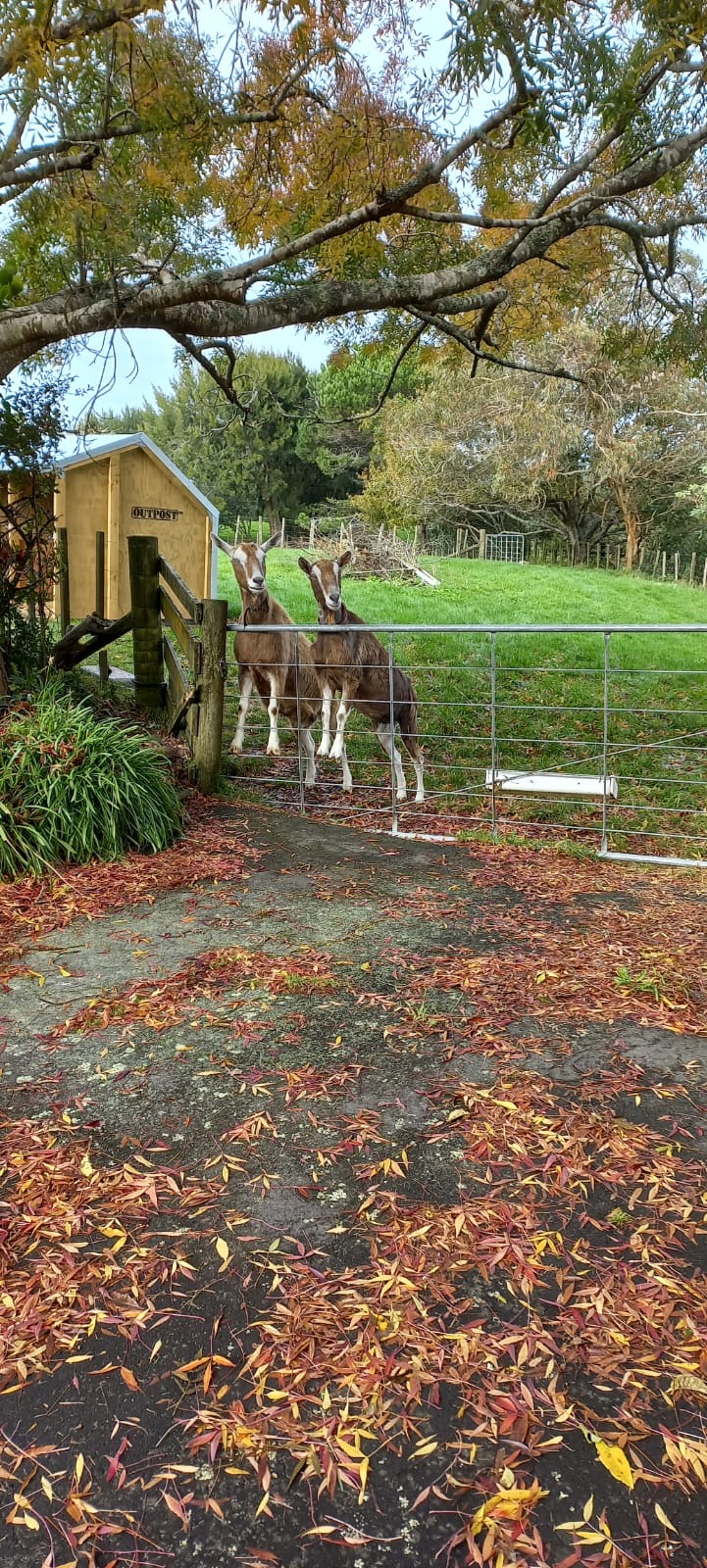
Cases like Smarty’s remind us just how resilient animals can be — and how much teamwork, creativity, and dedication goes into saving critically ill patients.
We couldn’t be prouder of this tough little goat 
The Lifestyle Vet- Your Lifestyle Block Vet
Categories:The Lifestyle Blog
0 Likes


